Silent Fire Digital Exhibition | Works by Womxn and about Womxn

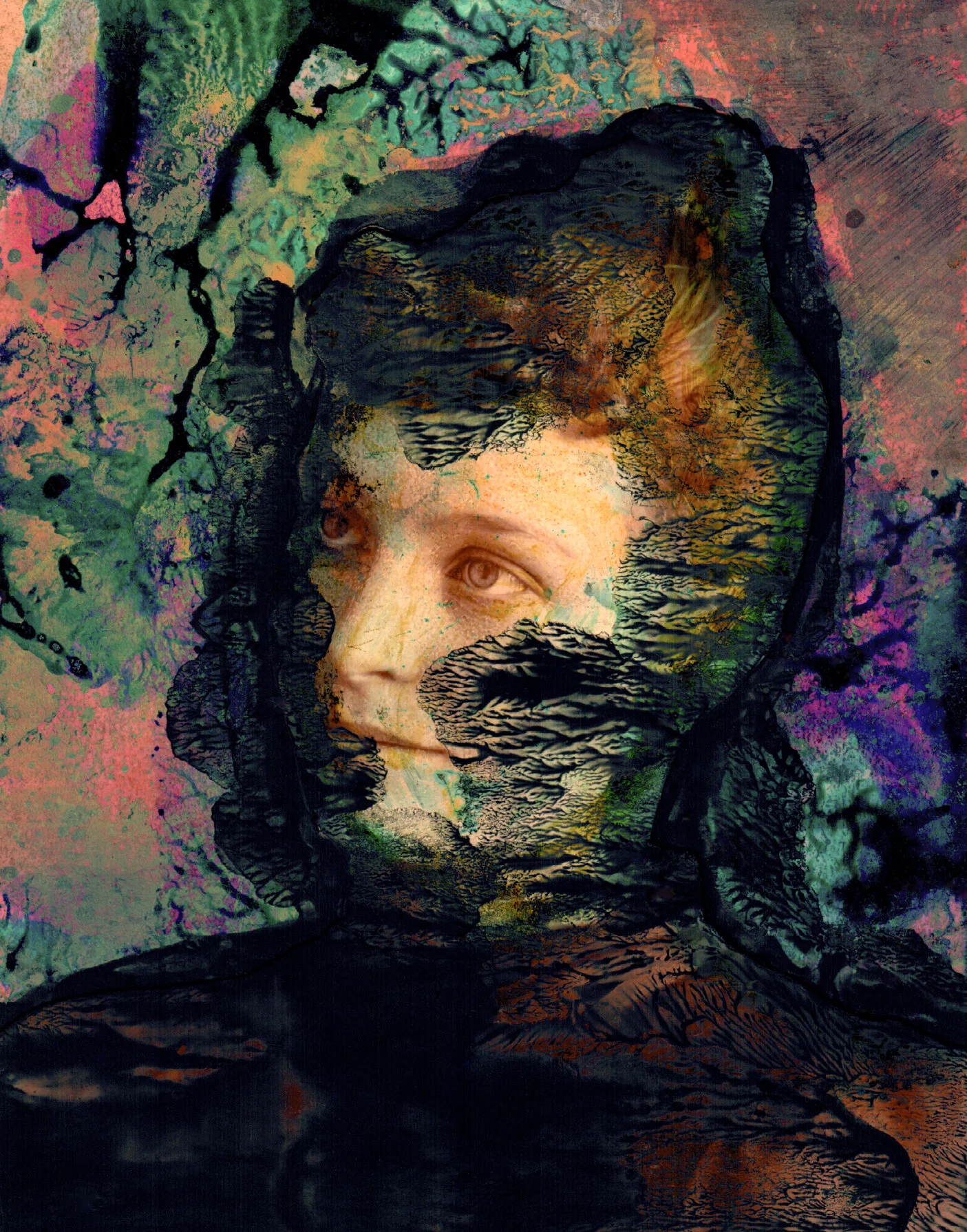
Turning, Julie Blankenship
Curatorial Statement
I burn in a silent flame. ... And while for others speaking leads to helping their condition, for me speech only causes my death.
—Barbara Strozzi, Ardo in Tacito Foco
“Why have there been no great women artists?” asked Linda Nochlin in her iconic 1971 essay by the same name. Perhaps it is not because women artists never existed, but rather because they had been limited by society and neglected by history—forgotten, unknown, or silenced by those who wrote the books. Although the visibility of womxn creatives has improved in the last 50 years, works by womxn and works about womxn remain relatively obscure and are still often excluded from the Western canon.
In an effort to extend the lifetime and relevance of Yale’s 2019 “Women at Yale '' initiative, students from the Yale Institute of Sacred Music in close partnership with Nasty Women Connecticut worked together to curate this digital display in order to amplify the voices and honor their contributions. Ranging from the 1600s to the present day, the included works showcase sparsely recorded musical performances and the artistic responses of contemporary artists to the programmed repertoire. An interdisciplinary project from the start, the Silent Fire Project team programmed six non-canonical musical works and issued an open call to contemporary artists to submit corresponding artistic pieces. The result? Nothing short of remarkable.
Accessibility Statement: A small collage (2.5 x 4"), made with ink and old photographs, depicts a young woman, from the shoulders up. Her head is turned slightly to her right and her blue-gray eyes are cast diagonally upwards and to her right. Her expression is not definable. Her skin is yellow, with green blotches and her reddish-gold hair is styled in a chignon. An irregular, thick, black line outlines the form of her head and shoulders, and delicately-patterned pools of black extend on to her face and shoulders. She wears a brown shirt or dress. Abstract, organic forms in pink, blue, green, orange, purple, and black fill the background.
About the Music
The music included intersects with a myriad of themes that could easily translate to artistic works of similar subjects. In her musical monologue, Ardo in tacito foco Barbara Strozzi describes her struggle with internal confinement, harrowing heartbreak, and the torture of being silenced. Libby Larsen’s contemporary song cycle, Try Me, Good King, reframes the fateful stories of the wives of King Henry VIII by placing their raw, human emotion at the core of the music. Frühling by 19th-century composer Fanny Hensel is a delightful and short work sparkling with optimism, joy, anticipation for spring, and devotion to nature. An April Day by Florence Price creates a moment of pure contentment as the music illustrates the majesty and whimsy of springtime. After by Joel Thompson, is a contemporary vocal work centering on the experience of an anonymous survivor of sexual assault. The first movement explores victim blaming in the legal process, and the second, the value of speaking up on behalf of others. For Marsha (P. Johnson) by Alexis Lamb is a tribute to Marsha P. Johnson, a black, transgender woman at the forefront of the Stonewall Riots in 1969 and simultaneously presents the joy of love and free-expression while remembering the painful trials from the past. Performing artists Rhianna Cockrell, Carolyn Craig, Grant Herreid, Beatrice Hsieh, Deborah Stephens, Maura Tuffy and Andréa Walker worked tirelessly to provide authentic and compelling musical performances of these six pieces--a significant contribution to both the stylistic interpretation of these works and the world’s recording archives.
About the Art
In hopes of facilitating contemporary artmaking and amplifying the voices of womxn everywhere, a call to artists was sent out by the collaborators. Artists from around the world submitted thoughtful and provocative works, and six were selected to work closely with video designer Camilla Tassi and sound editor Liam Bellman-Sharpe to create a stunning interdisciplinary tribute to both the artist and the composer. Visual artists Carolyn Thompson, Carter Norris, Jacqueline Andrew, Katie Butler, and Pearl Lee-ora Kruss each reveal their own intimate experiences of violation, injustice, silence, defiance, strength, hope, contentment, and resilience through their work, thus placing themselves in direct dialogue with the musical program. In addition to these provocative still works, the exhibition also features the dance choreography of Madison Vomastek which speaks to the challenges of embodiment inspired by the story of Marsha P. Johnson. The works and collaborations of these artists strikingly highlight the thematic tensions, painful realities, and moments of wonder that often generate a womxn’s experience.

About the Exhibition
While we wish this display could be viewed in person, we are thrilled by the possibility for access that accompanies an online exhibition. The site has been configured to allow both guided and self-guided experiences of the works. As you proceed, feel free to move throughout the exhibition sequentially or sporadically, using the “Lobby” as your homebase. We hope that you will spend time with the artists, composers, and performers showcased on each page, further engaging in close looking, compassionate listening, and contemplative reflection.
Happy viewing!
The Silent Fire Project Team